

What Happens to Your Deed After Closing Day?
Missy Horner
President, Empire Title Services | 20+ Years Experience
The short answer
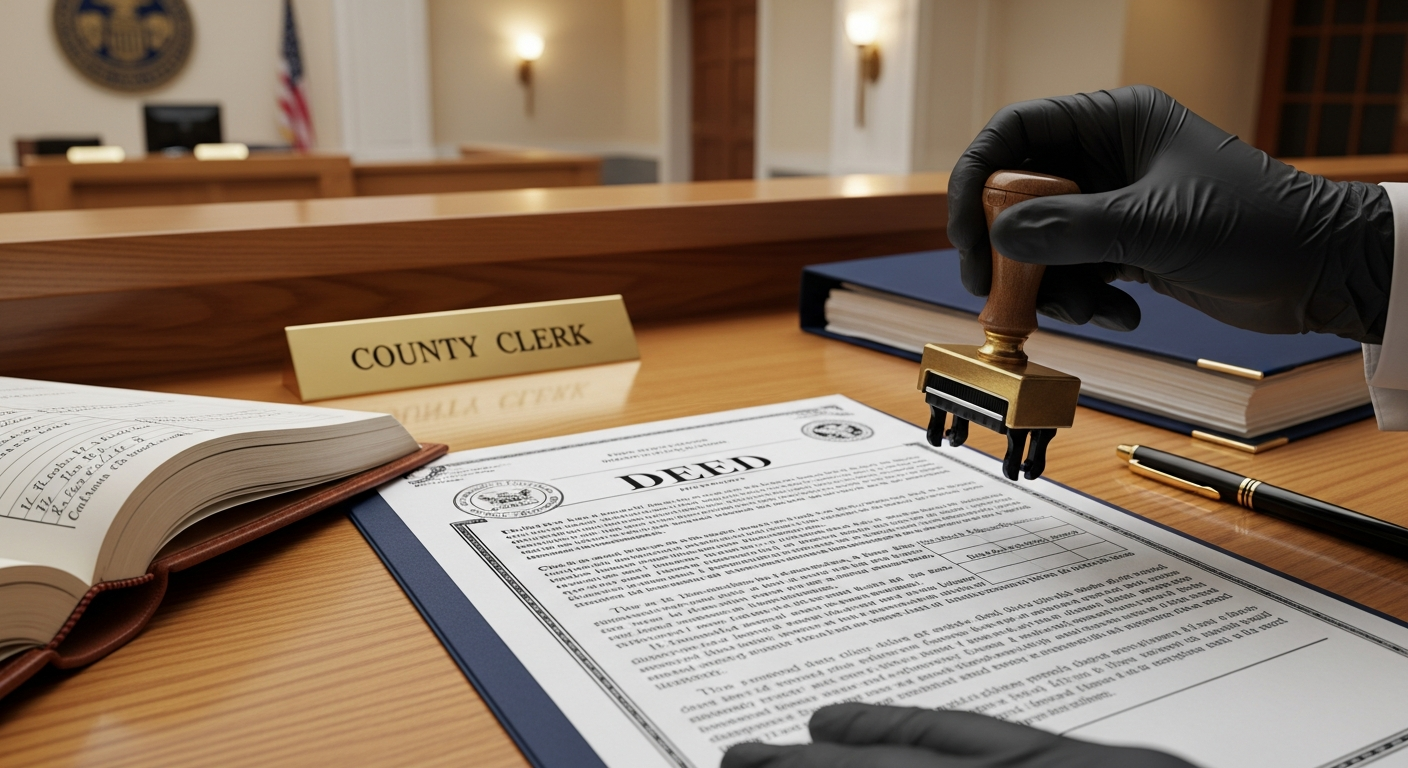
After closing, the deed must be reviewed, submitted to the appropriate county office, accepted for recording and added to the public land records. That recording step is what allows the ownership transfer to appear in the county's official records. Closing day is not the end of the file — the deed still has an important journey to make.
You signed the closing documents, received the keys and left the table as the new homeowner.
The visible part of the transaction was complete.
The paperwork was not. After closing, the deed still has an important journey to make. It must be reviewed, submitted to the appropriate county office, accepted for recording and added to the public land records. That recording step is what allows the ownership transfer to appear in the county's official records.
The Deed Is Signed and Notarized
The deed is the document used to transfer the seller's ownership interest to the buyer.
At or before closing, the appropriate seller signs the deed in the presence of a notary. The names, legal description and other information must match the transaction and the property being transferred.
If the seller is a trust, estate, company or other entity, the signer must have the proper authority. The title company may review supporting documents before closing to confirm who can sign. A mistake in the deed can delay recording or create future ownership questions, so the document receives careful attention.
The Closing Must Be Completed
Signing is only one part of closing. The title company must also confirm that the funds required for the transaction have been received and that any lender or transaction conditions have been satisfied.
Purchase funds, loan proceeds and other amounts must be accounted for before the file can be completed.
The title company may also need to confirm that final documents are signed correctly and that any last-minute corrections have been made. Once the transaction is ready, the deed can move to the recording stage.
The Deed Is Submitted to the County Recorder
The deed is sent to the appropriate county recording office for the property.
Depending on the county and transaction, documents may be submitted electronically, delivered in person or sent through another approved method. The recorder reviews the document for recording requirements and, once accepted, assigns the official recording information.
The exact timing and process can vary by county and by the circumstances of the transaction. This is one reason buyers should not assume the deed will appear online immediately after leaving closing.
Recording Places the Transfer in the Public Record
Once recorded, the deed becomes part of the public land records.
The recorded document shows the transfer from the seller to the buyer and includes the official recording reference assigned by the county. Future title searches will use that record to trace ownership of the property.
Recording does not create a decorative certificate for the homeowner. It creates the public evidence used by title companies, lenders, attorneys, buyers and county offices to understand the ownership history. That public record is one of the foundations of future real estate transactions.
The Recorded Deed Is Returned
After the deed is recorded, a copy or original may be returned according to the county's process and the instructions provided with the document.
The homeowner may receive the recorded deed through the title company, county office or another delivery method. The timing can vary.
Buyers should keep the recorded deed with their other important closing records, but they do not need to carry it or produce it for everyday homeownership. The public record remains the primary source used to confirm the recorded transfer.
Watch for Official-Looking Solicitations
New homeowners sometimes receive mail offering to sell a copy of the deed or another property-related service. The letter may look official, use public-record information or include a payment deadline.
That does not necessarily mean the letter came from the county or Empire Title. Many property records are public, so private companies can use that information to send solicitations.
Homeowners should read post-closing mail carefully before paying for anything. If a notice is unclear, contact the title company or county office using a trusted phone number. A homeowner generally does not need to purchase an expensive deed copy from a private solicitation simply because the letter looks official.
What Buyers Should Keep
Buyers should retain their closing documents in a secure location. That includes the settlement or closing statement, title insurance documents, loan documents if applicable and the recorded deed when it is returned.
Digital copies should be stored securely, and paper copies should be protected from loss or damage. These records can be useful during a future sale, refinance, estate plan or property question.
When to Contact the Title Company
A buyer should contact the title company if the deed has not been received after a reasonable period, if the buyer's name appears incorrect or if a post-closing letter creates confusion.
The title company can explain whether the deed has been submitted, whether it has been recorded and how the recorded copy will be returned. The team can also help distinguish legitimate closing follow-up from unrelated solicitations.
Closing Day Is Not the End of the File
The closing appointment may end when the signatures are complete and the keys are handed over. The title company's work continues. Funds must be disbursed, documents must be recorded and the completed records must be returned and retained. The deed's journey from the closing table to the county records is a quiet but essential part of transferring ownership.
Frequently Asked Questions
When will I receive my recorded deed after closing in Indiana?
The timing varies by county and transaction. After the deed is submitted to the county recorder and accepted, a copy or original is returned through the title company or county office. This process can take days or weeks depending on the county's workload and recording method. Contact your title company if you have not received your recorded deed within a reasonable period.
Do I need to carry my deed to prove I own my home?
No. The public land record is the primary source used to confirm ownership. Once the deed is recorded, the county's official records reflect your ownership. You do not need to produce the deed for everyday homeownership, but you should keep it with your other important closing documents for future reference.
What should I do if I receive official-looking mail offering to sell me a copy of my deed?
Read post-closing mail carefully before paying for anything. Many property records are public, so private companies can use that information to send solicitations that look official. If a notice is unclear, contact the title company or county office using a trusted phone number.
What documents should I keep from my closing?
Buyers should retain their recorded deed, settlement or closing statement, title insurance documents, and loan documents if applicable. Store digital copies securely and keep paper copies in a protected location.
Missy Horner
President, Empire Title Services
With over 20 years of experience in Indiana and Ohio real estate closings, Missy Horner leads Empire Title Services in providing expert title insurance, property searches, and closing coordination. A trusted resource for real estate agents, lenders, and homeowners throughout Wayne, Randolph, and Henry counties.