

The Mortgage Was Paid Off Years Ago. Why Was It Still Showing on the Property?
Missy Horner
President, Empire Title Services | 20+ Years Experience
The short answer
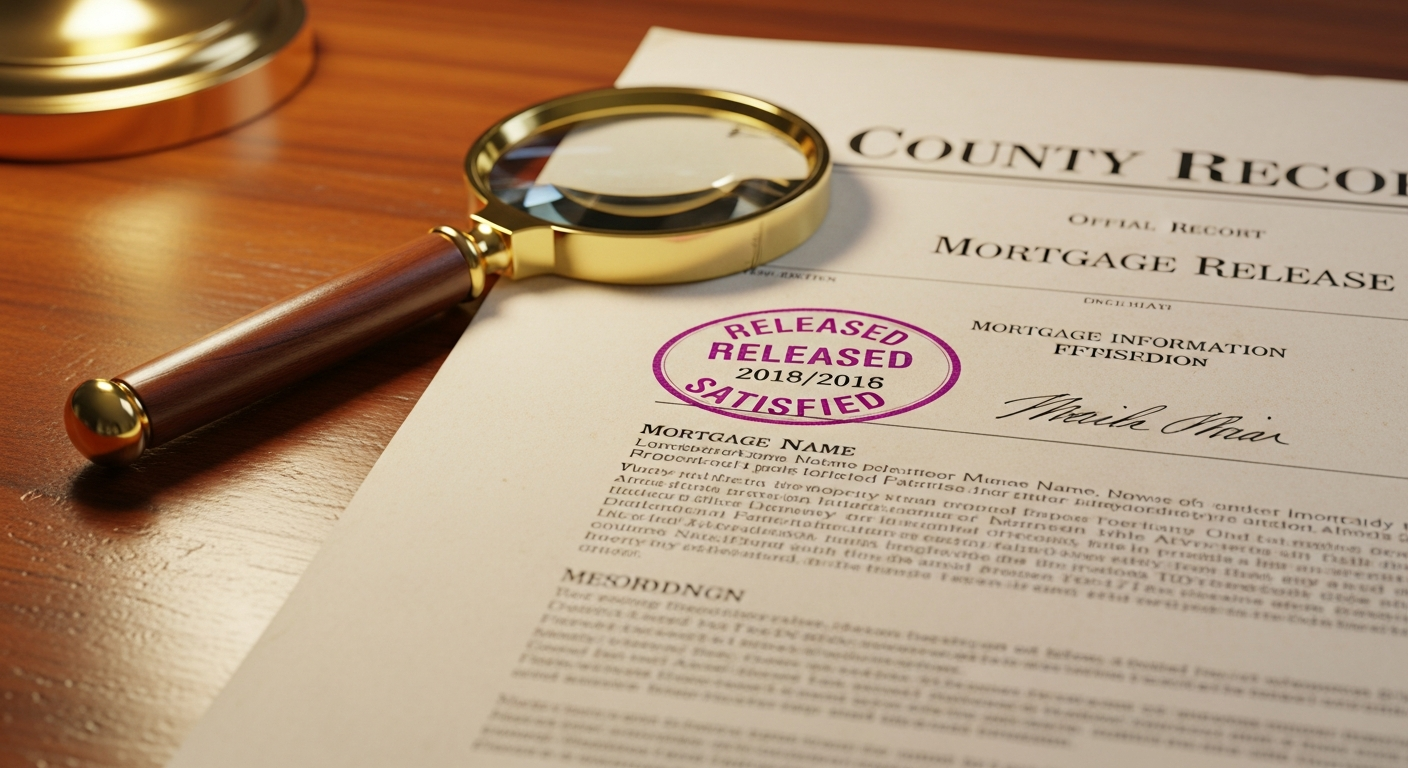
A loan can be fully paid while the related mortgage still appears in the county records if the release or satisfaction document was never recorded correctly. Paying the debt and updating the public record are two separate steps — and when the second step is missed, the mortgage remains visible even though no money is owed. The title company must address this before the property can transfer cleanly.
The seller was certain the mortgage had been paid.
The final payment had been made years earlier. Monthly statements had stopped arriving. The loan was no longer part of the seller's financial life.
Then the property went under contract, the title search was completed and the old mortgage appeared in the public records as though it were still attached to the property.
This situation is more common than many homeowners expect.
A loan can be fully paid while the related mortgage still appears in the county records if the release or satisfaction document was never recorded correctly. That creates a title issue that must be addressed before the property can be transferred cleanly.
Paying the Loan and Releasing the Mortgage Are Different Steps
A mortgage loan involves both a debt and a recorded document affecting the property.
When the loan is paid off, the debt may be satisfied. However, the public record must also be updated to show that the mortgage no longer affects the property.
That usually happens when the lender prepares a release, satisfaction or similar document and records it with the appropriate county office.
If that final recording step does not happen, the mortgage may remain visible in the public record even though the seller no longer owes the money. The title company cannot simply assume the loan was paid. The recorded mortgage must be investigated and resolved.
Why an Old Mortgage Still Matters
A buyer expects to receive ownership subject only to the matters properly accepted as part of the transaction.
An unreleased mortgage creates uncertainty because the public record still shows that a lender may have an interest in the property. A new lender may also require the old mortgage to be cleared before funding the buyer's loan.
This does not necessarily mean the seller did anything wrong or still owes the debt. It means the documentation available in the public records is incomplete. The title company's job is to identify that gap and determine what evidence or recorded document is needed to correct it.
How the Problem May Have Happened
There are several reasons a paid mortgage may remain unreleased.
The lender may have prepared the release but failed to record it. The document may have been recorded with an error. The lender may have merged with another institution or sold the loan before the release was completed.
Older loans can be more difficult because the original lender may no longer exist under the same name.
In some cases, the seller received a paper showing the loan was paid but assumed the lender would handle the public-record update. Years passed, the property remained in the family and no one had a reason to search the title until the home was sold. The problem then appears during the new transaction.
What the Title Company Does Next
The title company begins by gathering information. That may include the original mortgage details, the lender's name, the loan number, any payoff letters and any documents the seller kept after the loan was satisfied.
The title team may contact the original lender, a successor institution, a servicing company or another party responsible for the old loan records.
The exact resolution depends on the facts of the file. The goal is to obtain acceptable proof that the debt was paid and secure the appropriate document for recording.
Once the release is recorded, the public record can show that the mortgage no longer affects the property. This process may be simple, or it may require time and persistence. That is why finding the issue early matters.
A Closing Rescue Without Blame
An old unreleased mortgage can feel alarming when it first appears, but it is usually a documentation problem, not evidence of wrongdoing.
The seller may have done everything expected at the time. The lender may have changed systems, merged or closed. The missing step may have happened decades earlier.
The best approach is calm, early coordination. The seller, Realtor and title company can work together to locate records, contact the appropriate institution and obtain the needed release. The purpose is not to assign blame. It is to protect the current transaction and create a clear public record for the new owner.
What Sellers Can Do Before Listing
Sellers who previously paid off a mortgage can look through their records for payoff letters, satisfaction notices or correspondence from the lender.
If the loan was paid recently, they can confirm whether the release appears in the county records. A title company can also help identify recorded issues once the file is opened.
Sellers should provide the title company with the name of the lender, the approximate payoff date and any account information they still have. The earlier the title team receives that information, the more time it has to resolve questions without placing unnecessary pressure on the closing date.
What Realtors Should Watch For
Realtors do not need to research county records themselves, but they can help by asking sellers about prior mortgages and encouraging them to gather older loan documents early.
This is especially useful for properties that have been owned for many years, inherited homes, family properties and homes financed through institutions that later merged or changed names.
A simple conversation at the beginning of the listing can save time later.
Public Records Tell the Transaction Story
A paid loan and a released mortgage are connected, but they are not the same thing. The loan may be gone from the seller's monthly budget while the mortgage remains in the public record.
By reviewing the property history, gathering documentation and coordinating the recording of the proper release, the title company helps complete the unfinished part of the earlier transaction before the new closing takes place.
Frequently Asked Questions
Why would a paid-off mortgage still show in public records?
A paid mortgage remains in public records when the lender did not record a release or satisfaction document after the loan was paid. Paying the debt and updating the public record are two separate steps.
Can a closing proceed with an unreleased mortgage on the property?
Generally, an unreleased mortgage must be addressed before the property can transfer cleanly. The title company will work with the seller and the appropriate lender or successor institution to obtain and record the proper release document.
Does an old unreleased mortgage mean the seller still owes money?
Not necessarily. An unreleased mortgage in public records usually indicates a documentation problem — the final recording step was missed — rather than an active debt. However, the title company must investigate and confirm the status before the property can transfer.
What can sellers do if they know a prior mortgage was paid off?
Sellers should gather any payoff letters, satisfaction notices or correspondence they received when the loan was closed. Providing the lender's name, loan number and approximate payoff date to the title company as early as possible gives the team more time to locate and record the proper release before closing.
Missy Horner
President, Empire Title Services
With over 20 years of experience in Indiana and Ohio real estate closings, Missy Horner leads Empire Title Services in providing expert title insurance, property searches, and closing coordination. A trusted resource for real estate agents, lenders, and homeowners throughout Wayne, Randolph, and Henry counties.