

Recent Remodel? How Unpaid Contractor Work Can Turn Into a Lien on Your Closing
Missy Horner
President, Empire Title Services | 20+ Years Experience
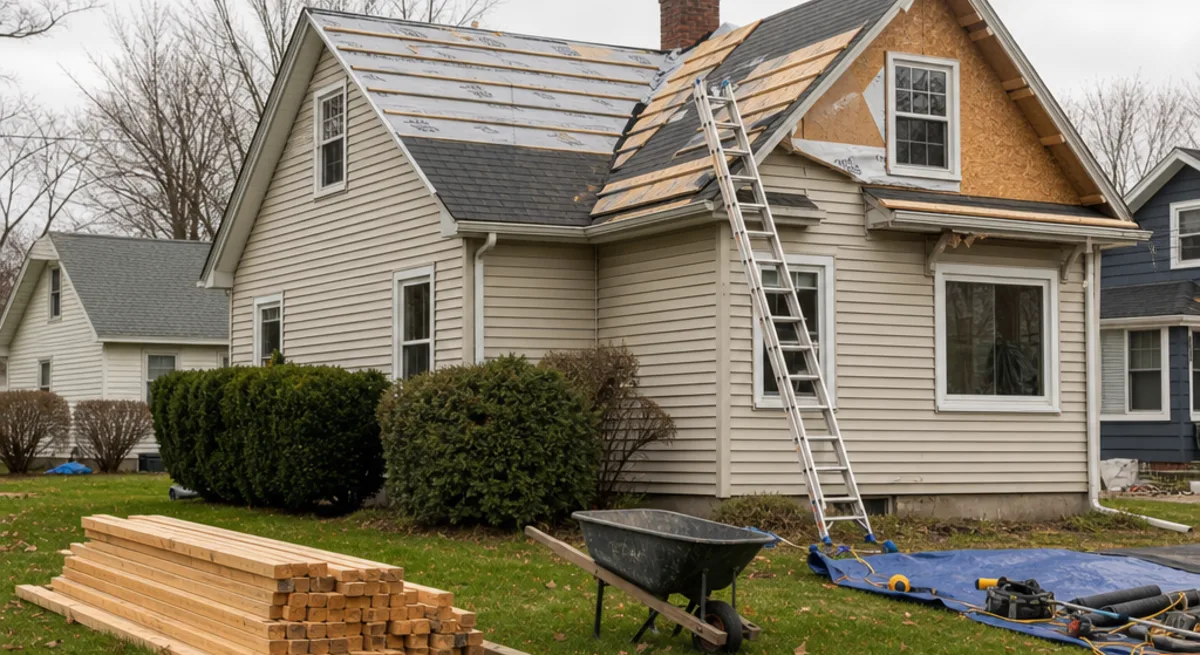
The short answer
People who furnish labor or materials to improve a home may have a right to claim against the property if they are not paid. That claim generally attaches to the property rather than to the person who hired the work, so it can surface during a closing even when the seller paid the general contractor in full. A recorded lien shows up in the title search and becomes a requirement that must be resolved before the file can close. Gathering paperwork on any recent work early helps the title team clear these items smoothly.
A seller finishes a kitchen remodel, pays the contractor the final invoice, and lists the home a few weeks later feeling confident the project is behind them.
The buyer loves the new work. The offer comes in. The file opens.
Then the title search turns up a lien tied to that remodel.
It turns out a subcontractor or a lumber supplier was never paid by the general contractor, and the unpaid party recorded a claim against the property. The seller paid in full, yet the closing now has an item to resolve.
This situation catches people off guard more often than you might expect. Understanding how these claims work can help you head them off before they reach the closing table.
What a Contractor or Mechanic's Lien Really Is
When someone furnishes labor or materials that improve real estate, that work adds value to the property. If the person who did the work is not paid, they may have a right to claim against the property to help recover what they are owed.
The important part is what the claim attaches to. It attaches to the property rather than only to the person who hired the work. In other words, the debt can follow the land.
That is why a claim from a past project can appear during a later sale, even if the current owner had nothing to do with the unpaid bill.
This is a general description of how these claims often work in Indiana. It is not legal advice, and the details of any specific claim can vary.
Why This Catches Sellers Off Guard
Most sellers assume that once they have paid the contractor in full, the project is settled. In many cases it is.
The problem arises when the general contractor collects payment but never pays the people underneath them. A framing crew, an electrician, a plumbing sub, or a material supplier may go unpaid even though the homeowner did everything right.
Because the claim can attach to the property, an unpaid subcontractor or supplier may still be able to pursue the home rather than only chasing the general contractor.
The homeowner is left surprised, holding a stack of paid invoices while a claim they never knew about sits on the title.
Common Projects That Lead to These Claims
Almost any improvement can lead to a claim if someone in the chain is not paid. Certain projects come up more often simply because they involve larger crews, more materials, or outside specialists.
Watch for recent work such as:
- A new roof or new siding
- A furnace, air conditioner, or full HVAC system
- A kitchen or bathroom remodel
- A new well or a new septic system
- A foundation repair
- Fire or storm restoration
- A recently flipped house with several updates at once
- Work tied to an insurance claim that is still in progress
A flipped house deserves extra attention because it may involve many trades completed quickly, sometimes by contractors who have already moved on to the next project.
An insurance claim that is still open can also raise questions, because the funds meant to pay for the work may not have fully reached everyone involved yet.
How a Lien Surfaces in the Title Search
When Empire Title opens a file, the title search reviews the public records connected to the property. A recorded lien from a recent project can show up in that search.
Once it appears, it becomes a requirement that must be resolved before the file can close. The title company cannot simply ignore a recorded claim, because it can affect the buyer and the lender.
This is not a reason to panic. It is a normal part of clearing a title, and many of these items can be worked through with the right paperwork.
The earlier the item is identified, the more time everyone has to resolve it before closing day.
How These Items Typically Get Resolved
There is no single answer, because each situation depends on the amount owed, the parties involved, and the records. In many transactions, a recorded claim can be addressed in one of a few general ways.
- Paying the amount off at closing so the claim can be released
- Obtaining a signed release or waiver from the contractor and any subcontractors or suppliers
- Holding funds in escrow when appropriate, while remaining work or paperwork is completed
These are general options, not guarantees. The right path depends on the facts of the file and what the parties and lender agree to.
If a claim is disputed or contested, that is a signal to slow down and speak with an attorney. Empire Title can review the records and let you know when a matter looks like one your attorney should weigh in on.
The Riskier Situation: Very Recent Work
A claim that is already recorded is, in a sense, the easier one to spot, because it appears in the search.
The trickier situation involves very recent work where a bill may still be unpaid but nothing has been recorded yet. That kind of claim may not appear in the records at the moment the title is searched.
This is where a seller affidavit about recent improvements often fits in. In many transactions, a seller may be asked to state what recent work was done and whether the people who did that work were paid.
That information helps the title team understand the risk of an unrecorded claim and decide how best to protect the buyer and lender.
What Sellers Should Gather Early
If your home has had work done in the recent past, a little organization goes a long way. Pulling your paperwork together before the file opens can save days later.
Helpful documents include:
- Invoices for the work
- Paid receipts or proof of payment
- Lien waivers from the contractor and any subs or suppliers
- Contact information for the contractor and subcontractors
- Any paperwork tied to an open or recent insurance claim
Lien waivers are especially useful, because they document that a specific party has been paid and does not intend to pursue a claim.
Sharing these early gives the title team time to review the records and address any open items well before closing.
What Buyers Should Ask About Brand-New Work
A listing that advertises a new roof, a fresh kitchen, or a fully renovated home is appealing. It is also a good reason to ask a few questions.
Buyers can ask when the work was done, who performed it, and whether the seller has receipts and lien waivers for it. On a flipped house, it is fair to ask about the trades involved and whether everyone was paid.
You do not need to become an expert. You simply want the title company to have enough information to review the records and confirm that recent improvements will not create a surprise later.
These same questions come up throughout east-central Indiana and, from time to time, in the Ohio communities Empire Title serves.
Where Owner Title Insurance Fits In
An owner title insurance policy generally relates to claims arising from work or events that took place before the buyer owned the property, subject to the terms and exceptions written into the policy.
That protection is valuable, but it is not a reason to skip the earlier steps. Confirming that recent work was paid for before closing is still the cleaner path for everyone.
A policy also does not cover work a new owner has done after taking title. Improvements you make yourself are a different matter.
When a claim is disputed or contested, an attorney should be involved. Empire Title can review the records and recommend you speak with your attorney when a matter calls for it.
Frequently Asked Questions
Can a contractor put a lien on my house if I already paid the general contractor?
It can happen. People who furnish labor or materials to improve real estate may have a right to claim against the property if they are not paid. If a homeowner paid the general contractor in full but the general never paid a subcontractor or a material supplier, that unpaid party may still be able to pursue a claim. The claim generally attaches to the property itself rather than only to the person who hired the work, which is why it can surface during a later sale.
How does a contractor lien show up during a closing?
A recorded lien appears in the title search and becomes a requirement that must be resolved before the file can close. Common ways to resolve it include paying the amount off at closing, obtaining a signed release or waiver from the contractor and any subcontractors or suppliers, or in some cases holding funds in escrow while the matter is finished. These are handled case by case and are not guarantees.
What should a seller gather if the home had recent work done?
Sellers can help by gathering invoices, paid receipts, lien waivers, contact information for the contractor and any subcontractors, and any paperwork tied to an insurance claim. Sharing this early gives the title team time to review the records, confirm that recent improvements were paid for, and address any open items well before closing day.
Does owner title insurance cover contractor liens?
An owner title insurance policy generally relates to claims arising from work or events that took place before the buyer owned the property, subject to the terms and exceptions in the policy. It is not a substitute for confirming that recent work was paid for before closing, and it does not cover work a new owner has done after taking title. A disputed or contested lien should be reviewed with an attorney.
Missy Horner
President, Empire Title Services
With over 20 years of experience in Indiana and Ohio real estate closings, Missy Horner leads Empire Title Services in providing expert title insurance, property searches, and closing coordination. A trusted resource for real estate agents, lenders, and homeowners throughout Wayne, Randolph, and Henry counties.