

What Happens After Closing Day? Indiana's Property Recording and Title Transfer Process
Missy Horner
President, Empire Title Services | 20+ Years Experience
After Closing: What Happens and When
- Same day: Funds disbursed after recording confirmed
- 1–3 weeks: Deed appears in county recorder's online system
- 4–8 weeks: Original recorded deed mailed to you by the county
- Next assessment cycle: Property tax records updated in your name
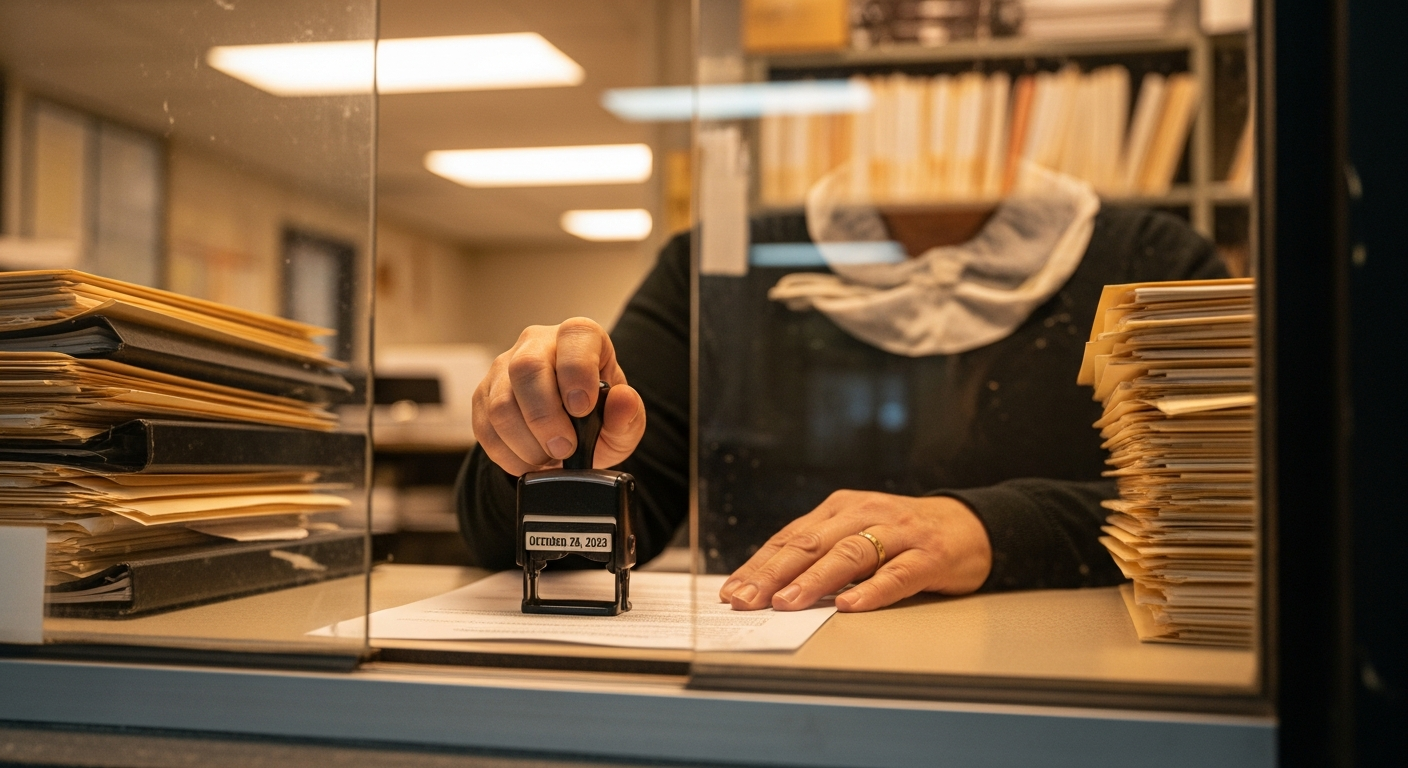
You Signed — But Are You the Owner Yet?
Many buyers are surprised to learn that signing the closing documents doesn't make them the legal owner of the property — at least not officially. In Indiana, you become the legal owner of record the moment your deed is recorded at the county recorder's office, not at the moment you sign.
This distinction matters because Indiana is a "race-notice" state. If two parties claim competing interests in the same property, the one who records first (and recorded without knowledge of the other's claim) generally wins. Recording your deed promptly is how the title company protects your ownership against any competing claims.
What Empire Title Does After You Leave the Closing Table
Your closing appointment is just one step in the process. Here's what happens on Empire Title's end after you walk out with your keys:
- Documents sent to county recorder. Empire Title delivers the deed (and mortgage, if applicable) to the county recorder's office — usually the same afternoon as closing, or the next business day for late-day closings.
- Recording confirmed. The county records the deed, assigns a recording number, and returns a date/time stamp. We receive confirmation and use this to release closing funds to the seller.
- Title policy issued. Within a few weeks of closing, your underwriter issues the final owner's title insurance policy. Empire Title sends this to you — keep it in a safe place with your other important property documents.
- Original deed returned. After recording, the county recorder returns the original deed to Empire Title, which then mails it to you. In Indiana counties, this typically takes 4–8 weeks from closing.
- Payoff release tracked. If the seller had a mortgage, Empire Title ensures the payoff funds we sent reach the lender and that the mortgage release is recorded. We track this to make sure no old lien lingers on your title.
Indiana County Recorder Tip
Most Indiana county recorder offices now post recorded documents online within a few days of recording. Search for your name (as grantor or grantee) at your county's recorder website to confirm your deed has been recorded. Wayne County uses AccessIndiana; Fayette County and Henry County have their own portals. If you're unsure how to look it up, call us and we'll verify the recording for you.
Update These Things After Your Indiana Closing
Once the recording is confirmed, here's your post-closing to-do list:
- Homestead exemption. If this is your primary residence, file for Indiana's homestead exemption at the county auditor's office by December 31 of the year you purchased. This reduces your assessed value and property tax bill.
- Homeowner's insurance. Make sure your policy is in your name and reflects the correct property address and coverage amount.
- Estate planning review. If you have a will or trust, update it to reflect the new property ownership.
- Property tax notifications. Your first property tax bill in your name may arrive 6–18 months after closing (Indiana tax bills are paid in arrears). Don't be caught off guard.
- HOA registration. If the property has an HOA, notify them of the ownership change.
Missy Horner
President, Empire Title Services
With over 20 years of experience in Indiana and Ohio real estate closings, Missy Horner leads Empire Title Services in providing expert title insurance, property searches, and closing coordination. A trusted resource for real estate agents, lenders, and homeowners throughout Wayne, Randolph, and Henry counties.